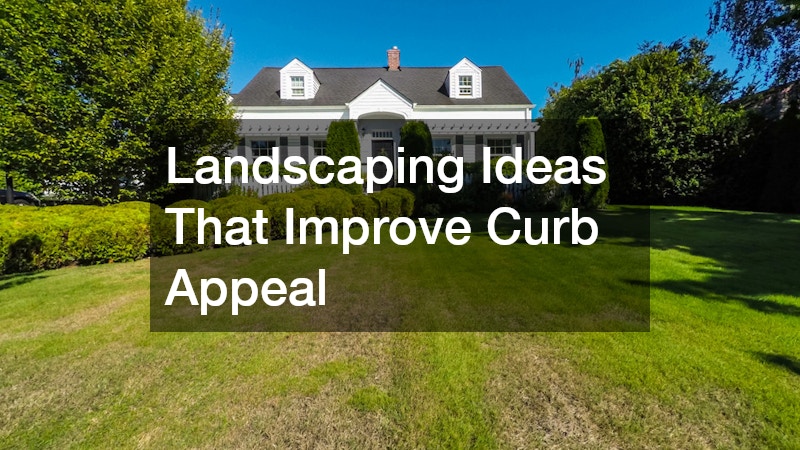
Landscaping Ideas That Improve Curb Appeal
An inviting exterior does more than make a good first impression; it shapes how people perceive your entire home. Thoughtful landscaping creates visual harmony, guides the eye, and establishes a sense of care and intention before anyone steps inside. Whether your property is modest or expansive, strategic outdoor design can dramatically elevate curb appeal while also supporting long-term functionality.
Landscaping is not simply about adding plants or decorative elements. It’s a layered approach that blends structure, greenery, and maintenance practices into a cohesive whole. From walkways and patios to plant beds and trees, each component plays a role in shaping how welcoming your home feels. When executed properly, landscaping also complements architectural features and creates natural transitions between outdoor and indoor spaces.
Homeowners today are also increasingly focused on sustainability and efficiency. Smart irrigation, durable materials, and plant choices adapted to local conditions help ensure that landscaping remains attractive without excessive upkeep. With careful planning, curb appeal can be enhanced without sacrificing practicality or budget.
In the sections below, we’ll explore essential design principles, low-maintenance strategies, modern styles, and lighting techniques that work together to strengthen landscaping outcomes. These ideas can be adapted to nearly any home style, helping you build an exterior that feels polished, intentional, and enduring.
What Are The Essential Elements Of Landscape Design?
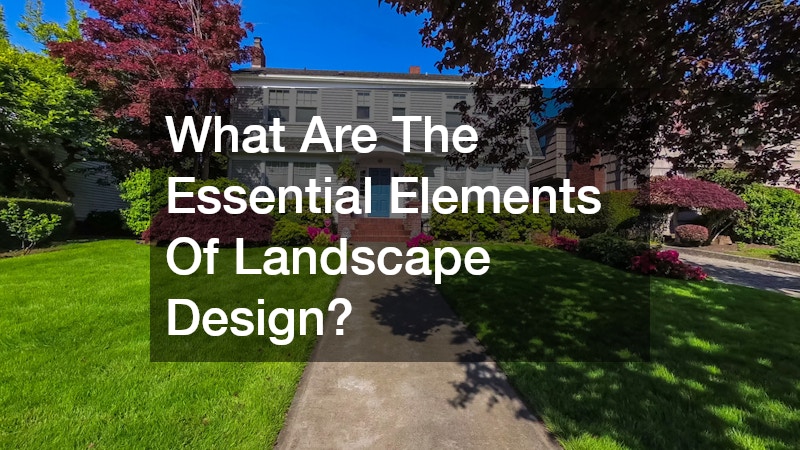
Strong landscaping begins with understanding the foundational elements that bring outdoor spaces together. These principles guide decisions about materials, plants, and layout to ensure the final result feels balanced rather than cluttered.
Understanding Hardscape And Softscape
Hardscape elements include patios, walkways, retaining walls, and decks that provide structure and functionality. Many homeowners work with deck builders to integrate outdoor living spaces that connect seamlessly with the surrounding landscape. Deck building services can help define gathering areas while maintaining visual flow.
Softscape refers to living elements such as grass, plants, shrubs, and trees. Successful landscaping blends hardscape and softscape so neither overwhelms the other. Concrete services are often used for pathways or borders that help anchor softer elements and prevent erosion while adding clean lines to the design.
Incorporating Color And Texture
Color brings personality to landscaping, while texture adds depth and interest. Mixing foliage types, leaf sizes, and materials prevents flat or monotonous appearances. Seasonal color changes also help landscapes remain visually engaging throughout the year. Subtle contrasts between stone, wood, and greenery enhance curb appeal without appearing overly busy.
Balancing Scale And Proportion
Proportion ensures that plants and structures fit the size of the home and yard. Oversized features can overwhelm small spaces, while undersized elements may feel insignificant. Landscaping that respects scale creates a sense of cohesion and visual comfort, allowing each feature to stand out appropriately.
How Can I Create A Low-Maintenance Landscape?
Low-maintenance landscaping focuses on efficiency, durability, and smart planning. The goal is to preserve curb appeal while minimizing ongoing effort and resource use.
Selecting The Right Plants
Choosing plants adapted to local climate conditions reduces watering and pruning needs. Native species often require less intervention and integrate more naturally into the landscape. When plants thrive in their environment, landscaping remains attractive with less frequent attention.
Implementing Efficient Irrigation
Modern sprinkler systems help distribute water evenly and efficiently, preventing overwatering and runoff. Smart irrigation solutions adjust schedules based on weather conditions, which supports plant health while conserving resources. Proper irrigation design plays a critical role in long-term landscaping success.
Reducing Lawn Areas
Large lawns require consistent mowing and watering. Reducing lawn space by incorporating ground covers, gravel paths, or planting beds lowers maintenance demands. When lawn areas are retained, regular upkeep with a reliable lawn mower ensures clean lines and a tidy appearance.
What Are The Trending Landscape Styles For Modern Homes?
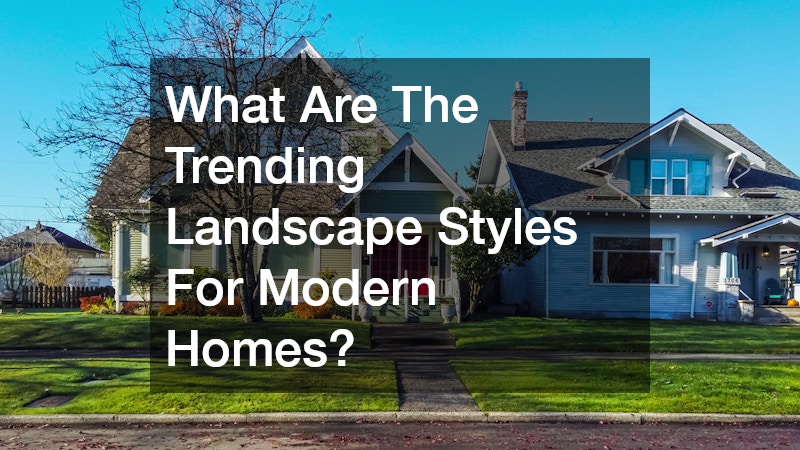
Modern landscaping emphasizes clean design, intentional simplicity, and environmental awareness. These styles focus on function as much as aesthetics.
Modern Minimalism
Minimalist landscaping uses limited plant palettes, structured layouts, and open space to create calm, uncluttered environments. Hardscape elements often take center stage, allowing greenery to serve as an accent rather than the focal point.
Rustic And Natural
This style embraces organic shapes, natural materials, and layered plantings. Stone, wood, and native plants work together to create relaxed landscaping that feels grounded and timeless rather than overly designed.
Eco-Friendly Designs
Eco-conscious landscaping prioritizes water efficiency, soil health, and biodiversity. These designs often integrate permeable surfaces and native plants to support sustainable outdoor living while maintaining strong curb appeal.
How Can Lighting Enhance Curb Appeal?
Outdoor lighting extends the visual impact of landscaping beyond daylight hours. Thoughtful illumination highlights features while improving safety and accessibility.
Landscape Path Lighting
Path lighting defines walkways and guides visitors toward entrances. Soft, evenly spaced fixtures improve visibility while reinforcing the overall design structure of the landscape.
Accent And Spotlighting
Accent lighting draws attention to architectural details, trees, or garden features. Carefully placed spotlights can emphasize depth and texture without overwhelming the space.
Solar And Low Voltage Lighting Options
Energy-efficient lighting options reduce operating costs while maintaining effectiveness. Solar and low voltage systems support sustainable landscaping practices and require minimal installation effort.
What Are Some Budget-Friendly Landscaping Ideas?
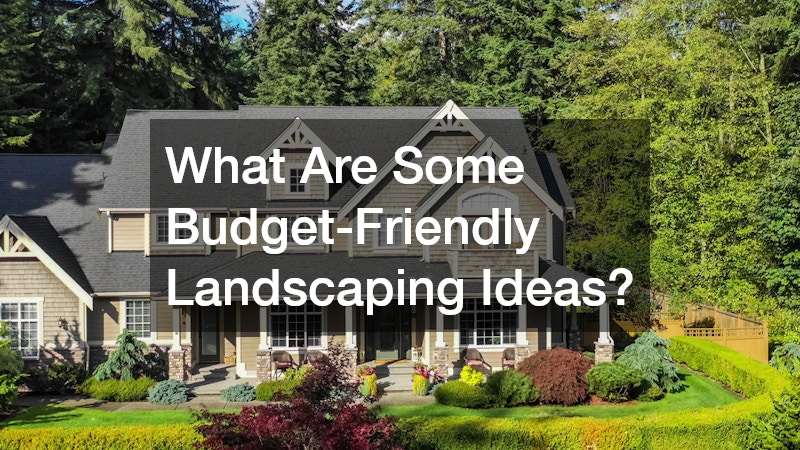
Improving curb appeal doesn’t require a large investment. Strategic choices can significantly enhance landscaping while keeping costs manageable.
DIY Garden Projects
Simple projects such as raised beds or decorative borders allow homeowners to personalize their landscape. These hands-on efforts can add character while keeping expenses low.
Utilizing Local Plants
Plants sourced locally are often more affordable and better suited to the environment. They establish quickly and require less ongoing care, making them ideal for cost-effective landscaping.
Repurposing Materials
Reclaimed stone, wood, or containers can be reused creatively throughout the landscape. Repurposed materials add unique visual interest while reducing waste and overall project costs.
How Can Trees And Shrubs Enhance My Landscape?
Trees and shrubs provide structure, scale, and long-term value to landscaping. When thoughtfully selected and positioned, they frame the home, soften architectural lines, and create natural transitions between different areas of the yard. Beyond aesthetics, trees and shrubs also contribute to comfort, privacy, and environmental health.
Choosing The Right Species
Selecting species suited to your climate and soil conditions ensures long-term success. Healthy trees require less intervention and integrate seamlessly into landscaping plans. Tree care professionals can help evaluate growth patterns and spacing needs, preventing overcrowding or future damage. Working with knowledgeable providers also reduces the likelihood of needing a tree remover later due to poor placement or species choice.
Proper Placement For Shade And Privacy
Strategic placement enhances energy efficiency and outdoor usability. Trees positioned near windows or patios can provide shade during warmer months, while shrubs create natural privacy screens. Local tree trimmers often assist homeowners with shaping growth so trees complement the landscape rather than dominate it. Proper spacing allows landscaping to mature gracefully over time.
Pruning For Health And Aesthetics
Regular pruning maintains tree health and visual balance. A qualified tree service helps remove dead or overgrown branches while preserving natural form. Consistent maintenance supports landscaping longevity and prevents safety issues caused by weakened limbs or excessive growth.
What Role Do Flowers Play In Improving Curb Appeal?
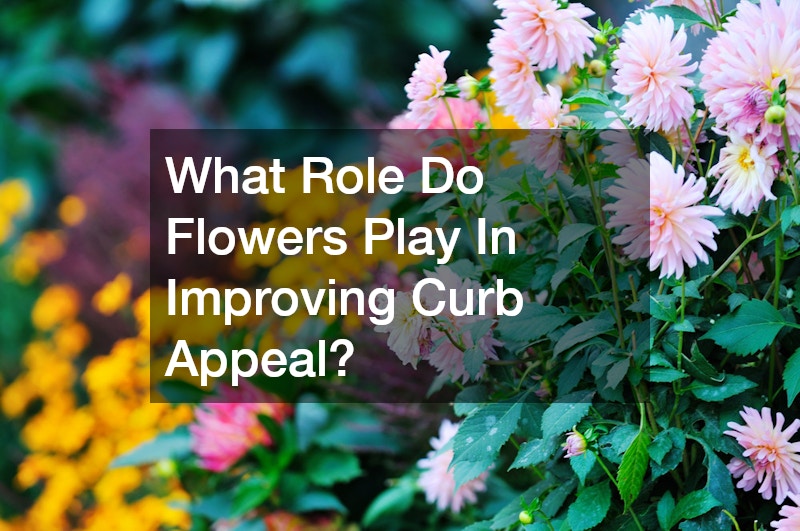
Flowers introduce color, movement, and seasonal variety to landscaping. They serve as focal points that draw attention and enhance visual interest throughout the year.
Seasonal Flowering Strategies
Using a mix of perennials and annuals ensures continuous blooms across seasons. Spring and summer flowers bring vibrancy, while fall selections add warmth and texture. Seasonal planning keeps landscaping visually engaging without constant replanting.
Mix And Match Flower Types
Combining different heights, shapes, and bloom sizes creates layered flower beds. This approach adds depth and prevents flat or uniform appearances. Thoughtful combinations strengthen landscaping cohesion and visual flow.
Flower Bed Design Tips
Defined edges, consistent spacing, and complementary colors help flower beds look intentional rather than scattered. Mulching supports moisture retention and weed control, maintaining neat landscaping with minimal effort.
How Can I Incorporate Water Features Into My Landscape?
Water features introduce sound, movement, and tranquility to landscaping. Even small additions can create a sense of calm and sophistication.
Understanding Different Types Of Water Features
Options range from fountains and ponds to subtle bubbling features. The scale of the water feature should align with the overall landscape to avoid overwhelming the space. Properly sized elements enhance landscaping rather than distract from it.
Maintenance Considerations
Water features require routine cleaning and monitoring to remain functional. Simple designs often demand less upkeep while still delivering visual impact. Proper planning ensures water features complement landscaping goals without adding excessive maintenance.
Placement For Maximum Effect
Placement near entrances or seating areas increases visibility and enjoyment. Thoughtful positioning integrates water features naturally into the landscape, reinforcing balance and harmony.
How Do I Choose The Right Outdoor Furniture And Decorations?
Outdoor furnishings and décor extend living spaces and personalize landscaping. The right selections support comfort while reinforcing the overall design theme. Thoughtfully chosen pieces help bridge the transition between indoor and outdoor areas, making exterior spaces feel intentional rather than temporary. When furniture and décor align with the surrounding landscape, they contribute to a cohesive and welcoming environment.
Material And Style Choices
Durable materials withstand weather exposure and maintain appearance over time. Furniture styles should align with the home’s architecture and landscaping approach to preserve consistency. Natural materials often complement plant-focused designs, while metal or composite options pair well with more structured layouts. Selecting finishes and colors that echo nearby hardscape or foliage helps anchor furniture visually within the landscape.
Placement And Arrangement Tips
Arranging furniture to encourage conversation and movement enhances functionality. Clear pathways and open sightlines prevent clutter and support cohesive landscaping design. Placement should also consider sun exposure, shade, and proximity to entrances or walkways. Thoughtful spacing ensures that furniture enhances usability without overwhelming the surrounding landscape elements.
Weather-Proofing And Care
Protective finishes and seasonal storage extend furniture lifespan. Regular care ensures outdoor elements remain attractive and functional within the landscape. Cleaning surfaces, checking for wear, and using covers during harsh conditions all help preserve appearance and performance. Consistent upkeep allows outdoor furnishings to remain an asset rather than a maintenance concern.
What Are The Essential Landscape Maintenance Tasks?
Ongoing maintenance preserves curb appeal and protects landscaping investments. Consistency is key to sustaining visual quality and plant health. A well-maintained landscape not only looks more inviting but also performs better over time, allowing plants, hardscape features, and soil systems to function as intended. Regular attention helps identify small concerns early, reducing the likelihood of costly repairs or major redesigns in the future.
Seasonal Maintenance Schedule
Seasonal tasks such as pruning, mulching, and cleanup help landscapes adapt to changing conditions. Coordinated schedules prevent minor issues from escalating into larger problems. Spring preparation supports healthy growth, while summer maintenance focuses on managing growth and water use. Fall cleanup protects plants as temperatures drop, and winter planning helps preserve structure and soil integrity. Addressing seasonal needs ensures the landscape remains balanced and visually appealing year-round.
Essential Tools For Landscape Upkeep
Basic tools support routine care and efficiency. In addition to a dependable lawn mower, homeowners often rely on trimmers and hand tools for detail work. These tools allow for precision around edges, beds, and hard-to-reach areas, contributing to a polished appearance. For pest-related concerns, local exterminators may be consulted to protect plants and soil health without disrupting landscaping balance. Having the right tools readily available streamlines maintenance tasks and supports consistent results.
Sustainable Practices And Tips
Sustainable landscaping emphasizes soil health, water conservation, and reduced chemical use. These practices support long-term resilience and environmental responsibility. Composting organic materials, improving soil structure, and using targeted watering techniques all contribute to healthier plant systems. Over time, sustainable approaches reduce maintenance demands while preserving the overall strength and appearance of the landscape.
Enhancing curb appeal requires more than isolated improvements; it demands a thoughtful, integrated approach to landscaping. When design principles, plant selection, and maintenance strategies work together, the result is an exterior that feels welcoming, balanced, and enduring. Each element, from trees and flowers to lighting and furniture, contributes to the overall experience of the home.
Effective landscaping also prioritizes practicality. Low-maintenance solutions, efficient irrigation, and sustainable practices help homeowners preserve beauty without unnecessary effort. Strategic choices reduce long-term costs while supporting healthy growth and environmental stewardship.
By focusing on structure, proportion, and consistency, homeowners can create landscapes that mature gracefully over time. Whether working with professionals or handling tasks independently, attention to detail makes a measurable difference. Landscaping that evolves with the seasons remains visually engaging and functional year-round.
Ultimately, curb appeal is about creating an outdoor environment that reflects care and intention. With the right planning and upkeep, landscaping becomes a lasting investment that enhances daily enjoyment and reinforces the overall value of the home.