Every homeowner approaching the market faces a similar dilemma: how much money should go into a house before putting a sign in the front yard? It is a delicate balancing act between spending enough to maximize equity and avoiding the trap of over-customizing a space that a buyer will simply change later.
When buyers walk through an open house, they view the property through two distinct lenses. The first lens is emotional—they imagine hosting dinners, relaxing on the patio, or watching their kids play in the yard. The second lens, however, is purely analytical and risk-averse. They are listening for the creak in the floorboards, looking for water stains on the ceiling, and calculating the age of the mechanical systems hidden behind closet doors.
If the analytical lens spots significant deferred maintenance, the emotional connection quickly dissolves. Major structural or functional deficiencies give buyers immediate leverage to negotiate lowball offers, demand massive repair credits, or walk away entirely. To achieve the highest return on investment, sellers must address high-priority structural and mechanical needs first, followed by impactful exterior upgrades, before finishing with high-impact cosmetic refinements.
Protecting the Building Envelope with Roof and Water Management
Imagine a prospective buyer falling in love with a renovated kitchen, only to step out into the hallway and spot a faint yellow ring on the drywall above. In an instant, their focus shifts from the quartz countertops to the terrifying prospect of hidden mold, rotten rafters, and thousands of dollars in unbudgeted repairs. Exterior protection systems do not always carry the glamour of a master bath remodel, but they offer some of the highest risk-mitigation value on the market.
Securing the Overhead Structure to Prevent Inspection Red Flags
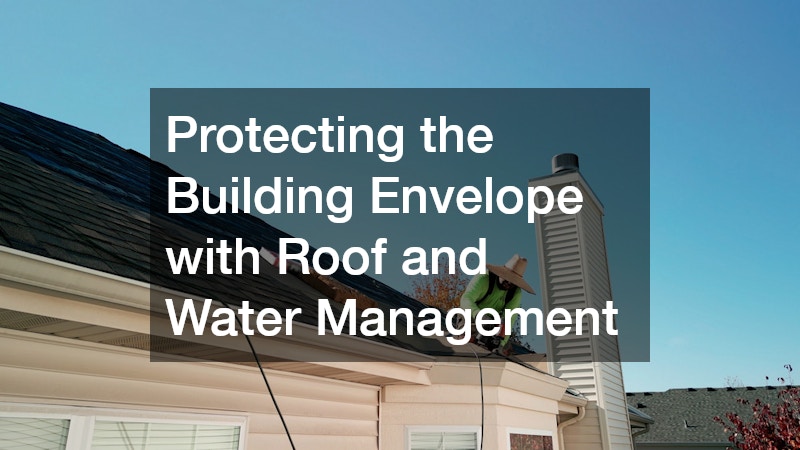
The overhead covering of a home is its primary shield against the elements, and home inspectors inspect it with microscopic attention. A roof nearing the end of its functional life is one of the most common reasons deals stall during the contingency period. When an appraiser or inspector notes curling shingles, missing granules, or aging flashing, mortgage lenders often hesitate to approve financing until the issue is resolved.
Investing in a full roof installation prior to listing changes the entire sales dynamic. Rather than defending an aging structure, sellers can advertise a brand-new overhead barrier as a primary selling feature. Buyers are frequently willing to pay a premium for a home when they know they will not have to replace the overhead covering for another twenty to thirty years. This upgrade turns a potential deal-breaker into a powerful value proposition that drives competitive bids.
Furthermore, a updated overhead system improves the overall insulation performance of the attic space, which directly translates to lower ambient temperatures in the summer and better heat retention in the winter. Real estate professionals frequently point out that structural improvements like this eliminate the anxiety buyers feel when purchasing an older home. By removing the financial wildcard of a failing overhead system, you clear a smooth path through the appraisal process and keep contract negotiations focused entirely on price rather than credit concessions.
Directing Water Efficiently Away from the Foundation
A sturdy roof is only half of the water management equation; the water collected along the roofline must be safely channeled away from the structure. When gutters sag, leak, or overflow, rainfall washes straight down the exterior walls, eroding the landscape, degrading the foundation, and eventually finding its way into the basement or crawlspace.
Upgrading to a modern gutter installation provides an immediate boost to both structural integrity and exterior appeal. Older, pieced-together gutters tend to seam apart, collect debris, and display visible rust lines that drag down a home’s appearance. Replacing them with custom seamless gutters creates clean, continuous lines along the fascia while ensuring heavy downpours are directed far from the foundation walls. It is a targeted, relatively low-cost improvement that signals meticulous home maintenance to discerning buyers.
Beyond structural safety, proper drainage plays a crucial role in preventing long-term siding deterioration and keeping soil conditions stable around walkways and garden beds. When buyers see heavy-duty downpouts and seamless channels running along the roofline, it reassures them that the previous owner understood basic home stewardship. It is precisely these small, protective details that instill confidence in high-value offers.
Elevating Curb Appeal and the Exterior Envelope

First impressions are formed within seconds of a potential buyer pulling up to the curb. Long before they step through the front door, their perception of the property’s value is shaped by the condition of the exterior walls, the entry point, and the overall symmetry of the facade.
Transforming Exterior Walls for Modern Appeal and Efficiency
Consider a home built thirty years ago with original exterior cladding that has faded, warped, or stained over time. Even if the interior is completely modernized, an outdated exterior creates a psychological barrier. Buyers assume that if the outside of the home has been neglected, the hidden systems inside may have suffered a similar fate.
Replacing worn exterior materials with modern vinyl or composite siding instantly revitalizes the entire property. Today’s cladding options come in rich, contemporary color palettes and offer significantly improved thermal insulation over older materials. This upgrade accomplishes two things at once: it dramatically increases the home’s “drive-by” appeal for online photo galleries and offers buyers the promise of lower utility bills and low-maintenance upkeep for decades to come.
Additionally, fresh exterior cladding acts as a fresh thermal wrap for the building shell, blunting severe winds and preventing moisture intrusion behind wall cavities. In competitive housing markets, properties with bright, clean, modern exteriors consistently generate higher foot traffic during initial open house weekends. The psychological impact of walking up to a crisp, well-clad home cannot be overstated; it sets a tone of quality that carries through every room inside.
Upgrading Primary Access Doors for Maximum Visual Impact
The garage door often occupies up to thirty percent of a home’s front profile, making it one of the most prominent visual features on the property. A dented, faded, or noisy garage door drags down the entire exterior presentation, no matter how pristine the surrounding landscape might be.
Arranging for a local garage door installation is consistently rated by real estate industry studies as one of the single highest ROI projects a seller can undertake. A sleek, modern carriage-style door or an insulated glass-panel door creates an immediate architectural statement. Beyond the visual benefits, a new door with an insulated core and smooth, quiet operation adds tangible value regarding security, energy conservation, and daily convenience.
Expanding Functional Yard Space and Boundary Value

Modern home buyers are not just purchasing interior floor plans; they are buying an overall lifestyle that extends into the outdoor spaces. A well-designed, functional backyard serves as an extra living room, an entertainment zone, or a private sanctuary. However, outdoor features must be balanced carefully to ensure they add value rather than high-maintenance anxiety.
Navigating Large Water Features and Backyard Upgrades
When evaluating high-end outdoor amenities, sellers must consider the specific demographics of their target neighborhood. In warmer climates or higher-end suburban developments, a private backyard swimming pool can be a major selling feature that sets a listing apart from neighboring properties.
If an existing pool area is outdated or non-functional, hiring a professional pool installer to restore the surrounding decking, tile, and pump systems can unlock significant equity. Buyers looking at properties in luxury price tiers often expect turnkey outdoor leisure setups. Ensuring these complex aquatic systems are fully permitted, leak-free, and aesthetically inviting transforms a potential maintenance liability into a desirable luxury amenity.
A fully restored outdoor aquatic zone also creates an irresistible focal point for real estate marketing photography and evening walkthroughs. When an outdoor entertaining space feels cohesive, clean, and mechanically sound, buyers naturally imagine spent weekends enjoying the property rather than worrying about pool chemistry or filter replacements.
Defining Boundaries to Secure the Property and Enhance Design
A beautifully landscaped yard loses much of its functional value if it lacks clear definition or fails to address practical living needs, such as safety for children and pets. Open, undefined yard boundaries often leave buyers calculating the post-closing cost of installing a fence themselves.
- Assess Property Lines: Verify exact boundaries to avoid installer disputes during sales negotiations.
- Select Materials: Choose durable, low-maintenance options that match the home’s architectural style.
- Ensure Safety Compliance: Match fence height and latch requirements to local codes, especially around water features.
- Professional Execution: Partner with experienced aluminum fence installers to handle precise post-setting and slope transitions.
Working with experienced aluminum fence installers allows sellers to enclose the yard with a material that offers classic visual appeal without the ongoing maintenance burdens of traditional wood. Aluminum fencing provides clean, elegant sightlines that secure the perimeter without boxing in the view. It is an exceptionally attractive selling point for families and pet owners who want an enclosed, secure outdoor space from the day they move in.
Upgrading Essential Mechanical Systems to Build Buyer Confidence
While cosmetic updates win hearts, mechanical systems win home inspections. A buyer may love the layout and paint colors, but if the home inspector reveals that the primary climate control or water supply systems are on the verge of failure, the buyer will likely ask for significant price concessions.
Replacing Aging Heating Systems for Peace of Mind
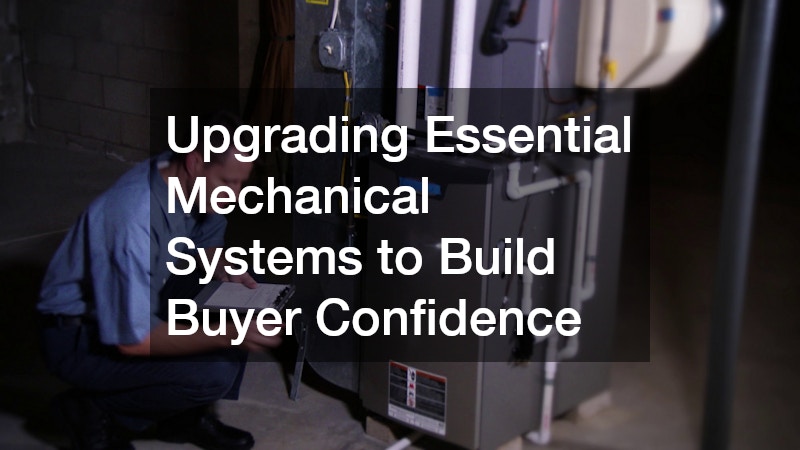
There is perhaps no greater deterrent during a winter home search than walking into a property with a noisy, inefficient, or visibly rusting heating unit in the basement. Buyers know that emergency heating replacements are expensive, inconvenient, and stressful.
Investing in a new furnace installation prior to placing the home on the market completely changes this conversation. A modern, high-efficiency heating unit becomes a highlighted bullet point in marketing materials rather than a point of tension during negotiations. Sellers can provide documentation showing low utility expenses and active manufacturer warranties, giving buyers absolute confidence that they will not face an unexpected winter heating crisis.
In addition to pure peace of mind, high-efficiency climate systems contribute significantly to consistent indoor air quality and quieter home operation. Modern variable-speed blowers eliminate the harsh blasts of cold air common in older systems, distributing warmth evenly across every floor. Buyers who appreciate lower utility footprints actively seek out homes where heavy mechanical investments have already been completed.
Updating Domestic Plumbing Lines to Guarantee Reliability
Plumbing problems are among the most insidious issues a home can possess because they are largely hidden behind finished drywall and beneath subfloors. Small, unnoticed leaks can cause structural rot, mold growth, and water damage that completely derails a pending home sale.
Schedule a full system evaluation and complete any necessary plumbing installation work before listing the home. Replacing old, corroded galvanized steel or problematic polybutylene pipes with modern PEX or copper lines eliminates one of the biggest risks in residential real estate. Clean, robust water pressure, updated shut-off valves, and leak-free supply lines ensure that the home passes the inspection phase with flying colors, avoiding the need to offer repair credits or manage low-flow performance issues.
Crafting Warm and Inviting Interior Focal Points
Once the structural shell and mechanical systems of a home are sound, attention shifts back to creating memorable interior spaces. Strategic interior upgrades should focus on making key living areas feel warm, welcoming, and move-in ready.
Creating Year-Round Ambiance with Efficient Heating Features
In primary living areas, buyers search for an emotional anchor—a central feature that gives the room character and a sense of comfort. A blank, featureless living room can feel cold and uninviting, while traditional masonry fireplaces are often costly to restore or keep clean.
Installing modern propane fireplaces offers a remarkably high aesthetic and functional return for a relatively modest investment. These units provide the instant visual warmth of a real flame and clean-burning heat without requiring complex chimney construction or messy wood storage. A well-placed gas hearth creates a striking focal point for staging and photography, helping prospective buyers picture themselves relaxing in the space on a cold evening.
Beyond visual appeal, auxiliary gas heating features provide secondary heat sources during winter power outages, adding an extra layer of practical resilience to the home. Staging a main gathering area around a clean, flickering flame highlights the cozy potential of the space, creating an instant emotional attachment during initial walkthroughs.
Navigating the Final Path to Listing Success
Preparing a home for the market is a journey best approached with a clear strategy. Rather than spreading a renovation budget thin across dozens of minor cosmetic tweaks, smart sellers focus their capital on high-impact projects that protect the building’s core structure, update outdated mechanical systems, and elevate curb appeal.
By systematically working through these high-ROI improvements, you eliminate the major red flags that cause buyers to walk away or demand steep discounts. A property with a secure roof, updated siding, reliable plumbing, efficient climate controls, and charming architectural details stands out in any market environment. With the hard work completed upfront, you can list your home with complete confidence, knowing you have created a turnkey property that commands top dollar and closes smoothly.