Highlights:
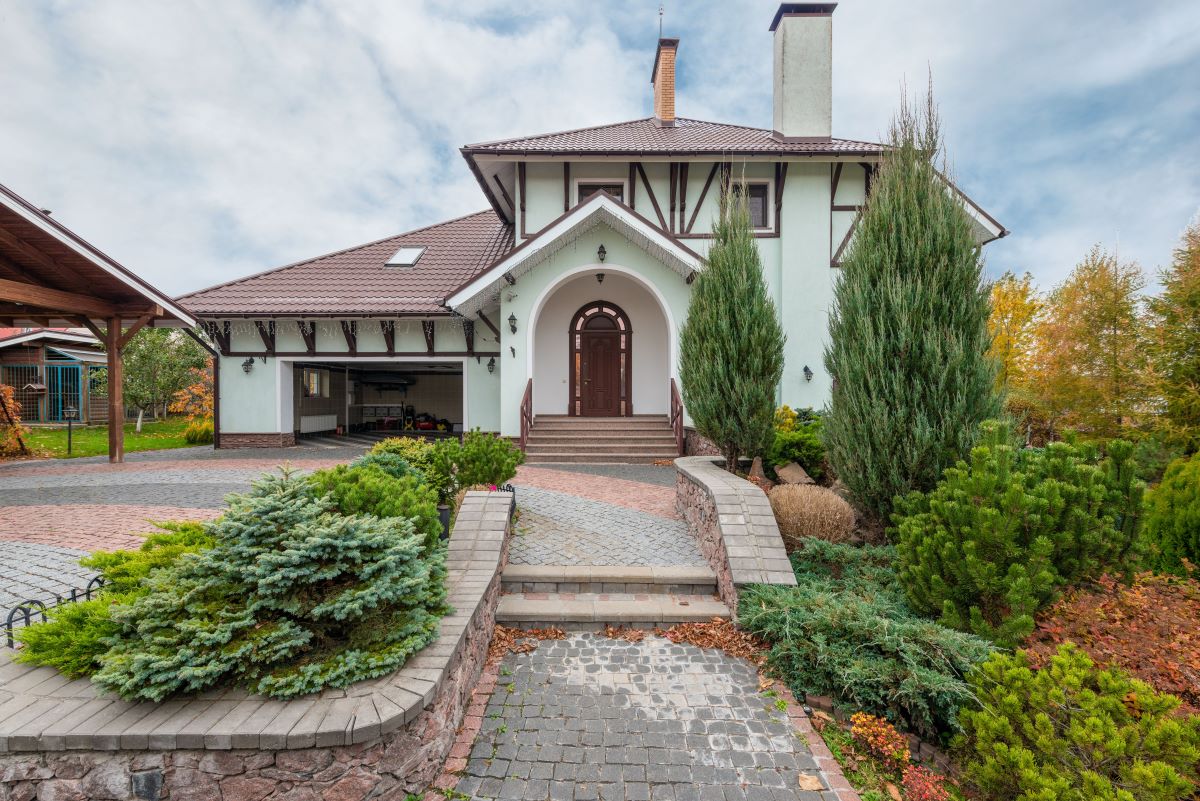
- Embrace Natural Layering: Combining evergreens, deciduous shrubs, and low perennials creates a deep, visually appealing barrier that blocks sightlines much more naturally than a standard row of identical bushes.
- Assess Your Needed Level of Blockage: Choose your greenery based on your specific goals; dense evergreens like arborvitae offer total, year-round seclusion, while ornamental grasses provide a softer, semi-private filtering effect.
- Solve Targeted Privacy Issues with Specimen Trees: You do not always need a full perimeter wall. A single, strategically placed ornamental tree can perfectly block awkward angles, such as a neighbor’s elevated window looking into your living room.
- Maximize Small Spaces Vertically: For narrow yards or hardscaped front courtyards, utilizing vertical trellises with climbing vines or large, heavy containers offers flexible privacy without consuming valuable ground space.
- Prioritize Multi-Season Visual Interest: The best botanical barriers incorporate plants that offer changing colors, textures, flowers, or berries across different seasons, ensuring your home looks polished and upscale all year long.
Your front yard is the first thing people see when they drive by, but it is also the physical barrier between your private life and the rest of the world. Finding a balance between a welcoming exterior and a peaceful, secluded sanctuary can feel like a challenge. Traditional fences often feel harsh, cold, or even unwelcoming to the neighborhood. Fortunately, nature provides a much softer, more beautiful alternative.
Using strategic greenery allows you to block unwanted views, muffle street noise, and create a distinct sense of boundaries without sacrificing your home’s aesthetic value. Choosing live plants over wood or vinyl structures introduces motion, texture, and seasonal color to your property.
Whether you are dealing with a busy suburban street, a tightly packed urban lot, or just want a cozy spot to enjoy your morning coffee in peace, the right botanical choices can completely transform your exterior. Let’s dive into eight clever, plant-based privacy strategies that deliver the best of both worlds: gorgeous aesthetics and total peace of mind.
1. Layered Shrub Borders for a Natural Look
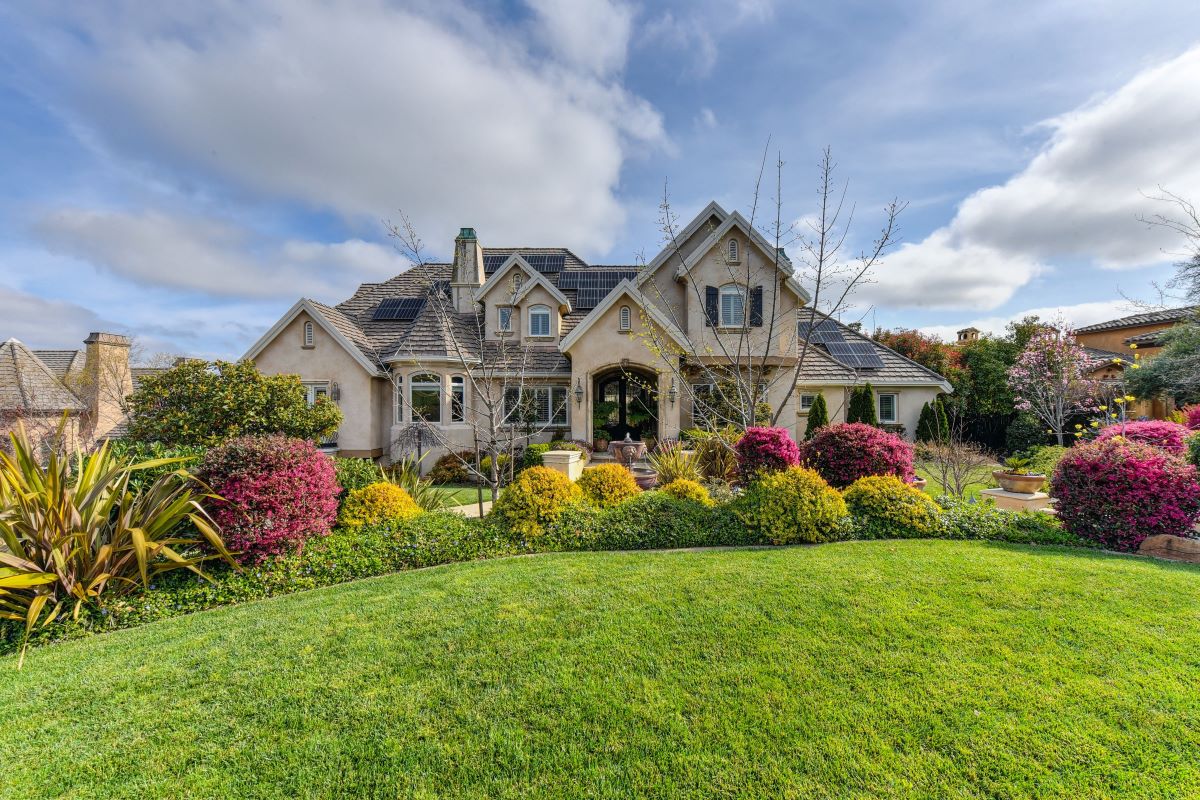
One of the most effective ways to establish privacy without making your home look like a fortress is through a layered shrub border. Instead of planting a single, monotonous row of the exact same bush, layering involves arranging a mixture of plants at varying heights, depths, and textures. This creates a deep, woodland-inspired boundary that catches the eye while effectively blocking the view from the street.
To build a successful layered border, start with your tallest evergreen plants at the very back to act as the permanent spine of the display. In front of those, place mid-sized deciduous shrubs that offer changing colors throughout the seasons. Finally, finish the front edge with low-growing perennials, ornamental grasses, or groundcovers.
- Top Plant Choices: Viburnum, panicle hydrangeas, spirea, and dwarf conifers.
- Best For: Large front yards, cottage-style homes, and homeowners who prefer a relaxed, organic aesthetic.
- Design Tip: Stagger the plants in a zigzag pattern rather than a straight line to make the barrier look completely natural and less intentionally disruptive.
This approach ensures that your yard remains visually interesting all year round. While some plants may drop their leaves in the winter, the dense network of branches combined with your background evergreens ensures that your seclusion is never fully compromised.
2. Living Walls with Fast-Growing Arborvitae
If you need a reliable, year-round screen as quickly as possible, arborvitae is the gold standard of the landscaping world. These upright, pyramidal evergreens grow tightly together to form a dense green wall that requires minimal horizontal space, making them absolutely perfect for narrow front yards or properties close to the sidewalk.
Arborvitae species like Green Giant or Emerald Green are incredibly popular because they maintain their rich color even through harsh winter weather. They act as exceptional windbreaks and can even help dampen the sound of passing traffic, making your front porch feel significantly more serene.
- Top Plant Choices: Emerald Green Arborvitae for compact spaces, Green Giant for rapid height.
- Best For: Modern homes, narrow lot lines, and maximum year-round blockage.
- Design Tip: Pay close attention to spacing when planting. Placing them too close together can cause the inner branches to die back from a lack of sunlight, while spacing them too far apart defeats the purpose of a solid screen.
While a solid row of arborvitae can sometimes look a bit formal, you can soften the look by planting colorful flower beds or installing low-voltage landscape lighting along the base to highlight their vertical structure at night.
3. Decorative Lattice Frameworks Covered in Climbing Vines
When physical space on the ground is limited, vertical gardening is your best friend. Installing a series of stylish freestanding lattice panels, trellises, or an open-post pergola allows you to grow a lush screen upward rather than outward. By training vigorous climbing vines to scale these structures, you create a living tapestry that filters light beautifully while keeping prying eyes at bay.
This method gives you total control over how much privacy you want to create. You can choose a dense, aggressive vine for total coverage, or a delicate, flowering variety that offers a softer, semi-private dappled effect.
- Top Plant Choices: Clematis, climbing hydrangeas, American wisteria, and star jasmine.
- Best For: Urban front yards, small courtyards, and patio entries.
- Design Tip: Make sure your support structure is sturdy and anchored well. Mature vines can become incredibly heavy, especially after a heavy rain or during peak summer growth.
Investing time into vertical greenery is an excellent choice for anyone looking into impactful upgrades for a happier living space because it injects immediate life and fragrance right outside your front windows, lifting your mood every time you look outside.
4. Wispy Ornamental Grasses for Semi-Private Screening
Not every front yard requires a solid, impenetrable wall of green. Sometimes, all you really need is a subtle visual buffer that breaks the direct line of sight from the road while keeping your property feeling bright, airy, and open. Tall ornamental grasses are the perfect solution for this type of semi-private landscaping.
Ornamental grasses grow incredibly fast each season, often reaching heights of four to eight feet by mid-summer. What makes them truly magical is the element of movement and sound they bring to a yard. As the wind blows, the blades sway gracefully and create a soft, rustling noise that naturally masks distant neighborhood sounds.
- Top Plant Choices: Karl Foerster feather reed grass, maiden grass, and switchgrass.
- Best For: Contemporary designs, coastal homes, and low-maintenance landscapes.
- Design Tip: Leave the dried grass stalks standing throughout the winter months. They provide wonderful architectural interest and continuous privacy during the cold season, then you can cut them back to the ground in early spring.
Because they are highly drought-tolerant once established, these grasses offer a beautiful, budget-friendly option that delivers maximum visual reward for a very minimal amount of gardening effort.
5. Dense Boxwood Hedges for Formal Definition
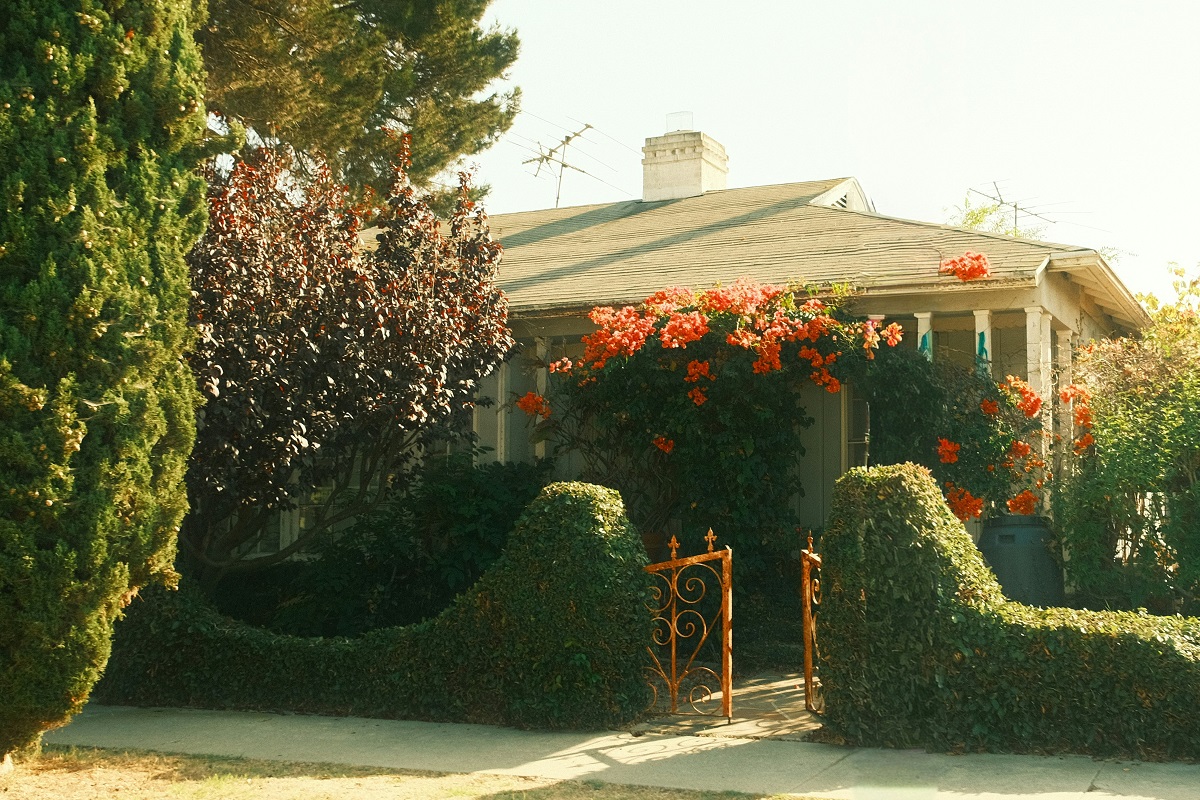
For homeowners who adore clean lines, symmetrical patterns, and a classic, architectural look, a neatly sheared boxwood hedge is tough to beat. Boxwoods have been used for centuries to define property lines and create elegant boundaries. Because they have incredibly dense, small leaves, they can be pruned into sharp geometric shapes that stay green all year long.
A mid-sized boxwood hedge planted along the perimeter of your front yard creates a clear psychological and physical boundary. It tells passersby where the public space ends and your private property begins, all while giving your home an upscale, polished appearance.
- Top Plant Choices: Wintergreen boxwood, Green Velvet boxwood, and American boxwood.
- Best For: Traditional homes, colonial architecture, and formal front entryways.
- Design Tip: Keep your hedge slightly wider at the bottom than at the top when pruning. This ensures that sunlight can reach the lowest branches, keeping the entire plant healthy and full from top to bottom.
Pairing a classic boxwood hedge with a neat mulch bed and colorful annuals is one of the most effective landscaping upgrades for better curb appeal you can make, instantly elevating the perceived value of your entire property.
6. Strategic Small Specimen Trees to Block Specific Angles
You do not always need to screen off your entire front yard to achieve a sense of seclusion. Often, the issue is just one or two specific problem areas—like a neighbor’s second-story window looking directly into your living room, or a streetlight that shines too brightly through your front door glass. In these situations, planting a single, strategically placed small specimen tree is the ideal remedy.
By carefully calculating the sightlines from your windows to the street, you can position a beautiful ornamental tree to block that specific angle perfectly. This keeps the rest of your yard open and welcoming while solving your privacy issue with an elegant focal point.
- Top Plant Choices: Japanese maples, flowering dogwoods, serviceberry, and saucers magnolia.
- Best For: Framing entryways, blocking specific elevated sightlines, and adding seasonal color highlights.
- Design Tip: Consider the tree’s mature canopy width and root system before planting to make sure it will not interfere with walkways, driveways, or underground utility lines down the road.
Choosing a tree with multi-season interest—such as spring flowers, vibrant autumn foliage, and unique winter bark structure—ensures that your functional privacy shield doubles as a breathtaking piece of living art.
7. Container Gardens and Raised Planters for Flexible Boundaries
If your front yard consists mostly of a concrete patio, a wide paved driveway, or a hardscaped courtyard, digging deep holes into the ground for massive root systems might not be an option. That is where a thoughtful arrangement of large container gardens and raised planters comes into play.
Using heavy-duty planters allows you to introduce height and lush vegetation exactly where you need it most. You can arrange containers in a tight row to mimic a traditional hedge, or group them in clusters of varying heights to create a casual, welcoming barrier.
- Top Plant Choices: Bamboo (always grown in containers to prevent spreading), dwarf Alberta spruce, canna lilies, and hibiscus.
- Best For: Urban townhomes, paved front courtyard areas, and renters who want to take their privacy with them when they move.
- Design Tip: Opt for large, heavy pots made of concrete, stone, or high-quality resin. Small pots dry out too quickly in the summer sun and can easily be blown over by strong gusts of wind.
An added bonus of container gardening is the flexibility it provides. If you realize your seating area needs a bit more coverage on one side, you can simply shift your planters around to adjust your screen as the seasons change.
8. Mixed Native Plant Communities for Wildlife and Seclusion
If you want to step away from manicured lawns and traditional hedges entirely, creating a pocket of native plant communities is an exceptional way to gain total isolation while giving back to your local ecosystem. A native privacy pocket mimics the wild patches of nature found in your local region, blending local evergreen trees, thick shrubs, wild grasses, and native wildflowers together.
Because these plants evolved to thrive in your specific climate and soil conditions, they require significantly less fertilizer, water, and intense maintenance once their root systems are fully established.
- Top Plant Choices: Look for regional natives such as native hollies, bayberry, ninebark, and local field grasses.
- Best For: Eco-conscious homeowners, rustic or craftsman-style properties, and low-maintenance yards.
- Design Tip: Group your native plants in odd numbers (groups of three, five, or seven) to replicate the natural, uncultivated way plants grow in the wild.
This approach transforms your front yard into a vibrant, living sanctuary. While it shields your front windows from the eyes of human neighbors, it actively invites in birds, butterflies, and beneficial pollinators, turning a simple privacy barrier into a joyful, bustling natural habitat.
Choosing the Perfect Privacy Plants for Your Home
Taking the time to plan out a plant-based privacy strategy is one of the most rewarding home projects you can undertake. By moving away from stark, artificial fences and leaning into the rich textures, colors, and heights of the natural world, you can easily craft a front yard that feels wonderfully secluded without ever feeling closed off from the neighborhood.
Before you head out to your local garden center, take a few days to analyze your yard’s specific conditions. Pay close attention to how the sunlight moves across the space, note the quality of your soil, and measure exactly how much height you need to achieve your desired level of comfort. Whether you choose a formal boxwood boundary, a whispery screen of tall ornamental grasses, or a striking layered border, using nature to define your boundaries guarantees a gorgeous view every single time you look out your front window.
Wrapping Up Your Front Yard Transformation
Creating a secluded front yard doesn’t mean you have to hide behind a cold, imposing wall. By choosing the right combination of living screens—whether that means the architectural elegance of a formal boxwood hedge, the gentle movement of tall ornamental grasses, or the vibrant biodiversity of a native plant community—you can design a space that feels both highly protected and deeply inviting.
Taking the time to invest in your landscape is one of the best ways to enhance your daily lifestyle while simultaneously boosting your property value. Ultimately, utilizing plants for privacy allows you to reclaim your outdoor living space, creating a beautiful, peaceful sanctuary that you and your family can enjoy in comfort for years to come.