
For the modern homeowner, inefficiency is a silent expense. It is a slow, steady drain that shows up every single month on utility bills, manifests as uneven temperatures across different rooms, and quietly shortens the lifespan of expensive home systems. Most people associate home energy conservation with minor habit changes, such as turning down the thermostat a couple of degrees in the winter or turning off the lights when leaving a room. While these practices are certainly helpful, they only scratch the surface. Real, long-term efficiency requires a shift from behavioral habits to systemic, structural improvements.
An efficient home functions like a finely tuned machine, where the physical structure, the electrical framework, and the mechanical appliances work in perfect harmony. When one part of this ecosystem degrades, the other systems must work twice as hard to compensate. For instance, a minor structural deficit can force your heating and cooling equipment to run continuously, driving up your energy costs and leading to premature system failure. By taking a proactive, comprehensive approach to your home infrastructure, you can permanently lower your monthly operational costs, enhance your daily comfort, and significantly boost your property value.
Targeted Thermal Barriers

The highest concentration of energy loss typically occurs at the very top and the very bottom of your home structure. Because heat naturally rises, an uninsulated or poorly insulated attic acts like an open chimney in the winter, drawing warm air up out of your living spaces and pulling cold air inside through the lower levels. In the summer, the sun beats down directly on your roof, turning an unvented attic into a massive radiator that pushes heat downward into your bedrooms.
To determine if your home is suffering from this issue, you can conduct a simple visual check using the ruler test on your attic floor. If the depth of your existing insulation is below the tops of your floor joists, your home is severely under-insulated. Resolving this issue involves more than just throwing down extra fiberglass batts. A truly efficient barrier requires precise air sealing around architectural bypasses, chimney flues, electrical boxes, and recessed lighting fixtures before any new insulating material is applied. Partnering with certified insulation contractors is the most effective way to ensure these hidden gaps are completely sealed. These specialists can install blown-in cellulose or spray foam to achieve the ideal R-value for your specific climate zone, reducing your heating and cooling demands by up to fifteen percent.
Smart Window Treatments
Windows represent another major vulnerability in your home thermal envelope. Even modern multi-pane windows permit far more radiant heat transfer than a standard insulated wall. During peak summer hours, intense sunlight streams through glass panes, creating a greenhouse effect that forces your air conditioning unit to work overtime.
To combat this solar heat gain without replacing your windows entirely, you must learn to manage the light entering your home dynamically. Installing high-reflectivity window blinds allows you to control the angle of incoming sunlight, bouncing harsh afternoon rays back outside while still permitting natural ambient light to illuminate your interiors. For maximum efficiency, get into the habit of closing these treatments on the sunny sides of your home during the hottest parts of the day. In the winter, you can reverse this strategy: open them during daylight hours to let the sun naturally warm your rooms, and close them tightly at night to add an extra layer of thermal resistance against the freezing nighttime air.
High-Efficiency, On-Demand Thermal Units
Traditional water heating systems are inherently inefficient due to a phenomenon known as standby heat loss. These conventional setups consist of a large, insulated tank that continuously holds forty to eighty gallons of water at a high temperature. Whether you are sleeping, working, or away on a week-long vacation, the system cycles on and off repeatedly to keep that water hot, burning fuel or consuming electricity around the clock just to maintain a status quo that nobody is using.
When your old unit nears the end of its operational lifespan, upgrading to modern water heaters is one of the most impactful decisions you can make. Transitioning to a tankless, on-demand system eliminates standby loss completely because the unit only heats water at the exact moment a faucet or appliance is turned on. If your home layout or regional climate is better suited for a tank-based system, look into hybrid heat pump models, which pull ambient warmth from the surrounding air to heat the water rather than relying purely on high-resistance electrical elements. These advanced systems boast significantly higher energy factor ratings and can cut your water heating costs by more than thirty percent.
Power Distribution Center
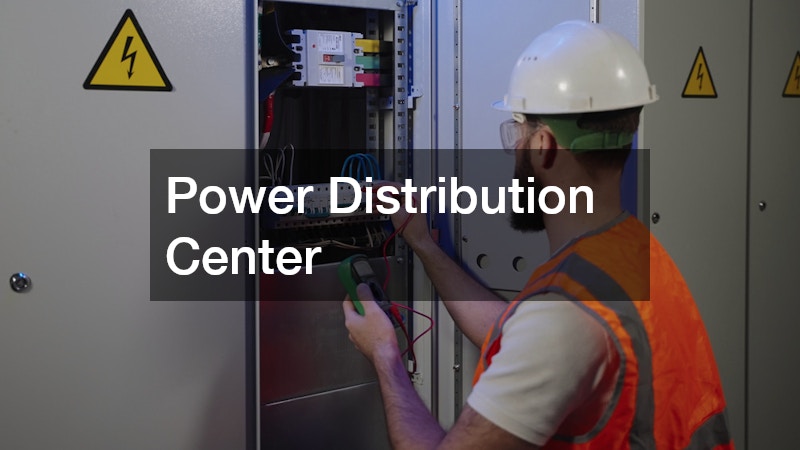
As homes become increasingly reliant on modern technology, smart automation, and eco-friendly machinery like electric vehicle chargers, older electrical systems can quickly become overwhelmed. When an electrical panel operates near its maximum capacity, it experiences heightened electrical resistance. This resistance does not just present a major safety hazard; it also means that electricity is being wasted as ambient heat within your walls before it ever reaches your devices.
Signs of an overloaded or degrading electrical framework include flickering lights when heavy appliances kick on, circuit breakers that feel warm to the touch, or faint buzzing sounds coming from your utility closet. Investing in electrical panel upgrades allows you to safely transition your property to a modern 200-amp service. This structural update ensures that your power distribution remains balanced, cool, and highly efficient. Furthermore, it creates the necessary infrastructure to support advanced energy management systems, such as smart circuit breakers that can automatically cut power to phantom loads when a room is unoccupied.
Subterranean Supply Leaks
A municipal water leak on your property can easily waste thousands of gallons of treated water before any physical signs manifest on the surface of your lawn. Because these supply lines are buried deep underground, a fracture can leak water continuously into the surrounding soil for months, driving your utility bills sky-high while slowly eroding the soil stability around your home foundation.
Homeowners should make a habit of checking their water meter during a dedicated three-hour window when no appliances are running and no faucets are turned on. If the meter dial moves at all during this test, a hidden leak is actively discharging water somewhere on your property. If you notice a sudden drop in water pressure or discover patches of grass that remain unusually lush and damp during a dry spell, you need to arrange for a professional water line repair immediately. Utilizing specialized acoustic equipment, technicians can locate the exact point of underground failure and patch it cleanly, stopping the financial drain and protecting your home structural integrity.
Maintain a Well-Ventilated Roof Deck
Your roof is your home first line of defense against solar radiation, wind, and rain. However, many people fail to realize that the underside of the roof deck requires active, balanced ventilation to protect the home interior climate. Without a functional combination of intake vents at the soffit line and exhaust vents at the ridge line, hot air gets permanently trapped inside the upper structure of your house.
During the summer months, a neglected roof can reach internal attic temperatures exceeding 140 degrees Fahrenheit. This intense heat radiates downward through your ceiling, rendering your interior insulation far less effective and forcing your air conditioning system to run continuously. Engaging a professional roofing service to inspect your ventilation balance, replace damaged shingles, and install radiant barriers is a key efficiency play. Proper airflow flushes hot air out of the building naturally, keeping your living spaces cooler and extending the lifespan of your roof shingles by preventing them from baking from the inside out.
Major Kitchen and Laundry Machinery

When a major kitchen or laundry appliance begins to falter, it rarely stops working altogether right away. Instead, it enters a state of degraded performance. A refrigerator with a worn door seal will allow cold air to leak out continuously, causing the compressor to run around the clock. A dishwasher with a scaling heating element will take much longer to bring water up to the proper sanitizing temperature, extending its cycle times and drawing excess electricity.
You can perform a quick diagnostic check on your refrigeration units using the dollar bill test: close the door on a dollar bill and try to pull it out. If it slides out easily without any resistance, your gasket is compromised and is actively wasting energy. Rather than letting these issues linger until a complete mechanical breakdown occurs, scheduling timely appliance repairs can restore your machinery to its baseline energy specifications. Keeping condenser coils clean, descaling water lines, and replacing worn seals ensures that your everyday equipment draws only the minimum amount of power required to get the job done.
Clearing Air Paths
Clothes dryers are among the most energy-intensive appliances in the entire household. They rely on a heavy combination of high-heat electrical elements and powerful exhaust fans to extract moisture from wet fabrics. When the internal ductwork that carries this moisture-laden air to the outside world becomes restricted by lint accumulation, the dryer cannot vent efficiently.
- Extended Runtimes: Clothes take two or three cycles to dry fully instead of one.
- Overheating: The exterior of the appliance becomes incredibly hot to the touch.
- Increased Component Wear: Internal thermal fuses and heating elements burn out prematurely.
- Elevated Fire Hazards: Accumulated lint in a hot duct creates a significant combustion risk.
To prevent these compounding issues, relying solely on cleaning the removable lint screen is not enough. You should invest in a thorough dryer vent cleaning service at least once a year. Professionals use specialized rotary brushes and high-powered vacuums to clear out the entire length of the rigid or flexible ducting. Clearing this pathway restores optimal airflow, drops your dryer cycle times back to normal, and immediately reduces the energy footprint of your laundry routine.
Baseline Drain Infrastructure
Your home drain system relies on gravity, proper pipe sloping, and venting to carry wastewater away seamlessly. Over time, hair, soap scum, mineral scale, and organic debris build up along the inner walls of your pipes. This accumulation narrows the functional diameter of the lines, leading to sluggish drainage, frequent gurgling noises, and recurring backups that require excessive water use to clear out.
To maintain an efficient plumbing framework, avoid using harsh chemical drain cleaners, which can corrode pipe walls and create rough surfaces that encourage future clogs. Instead, utilizing preventative plumbing services is the smartest way to keep your system clear. Professional plumbers can use hydro-jetting technology to scour the insides of your lines with high-pressure water, restoring the smooth, low-friction environment necessary for waste to exit your home with minimal water consumption.
Manage Grease and Heavy Waste
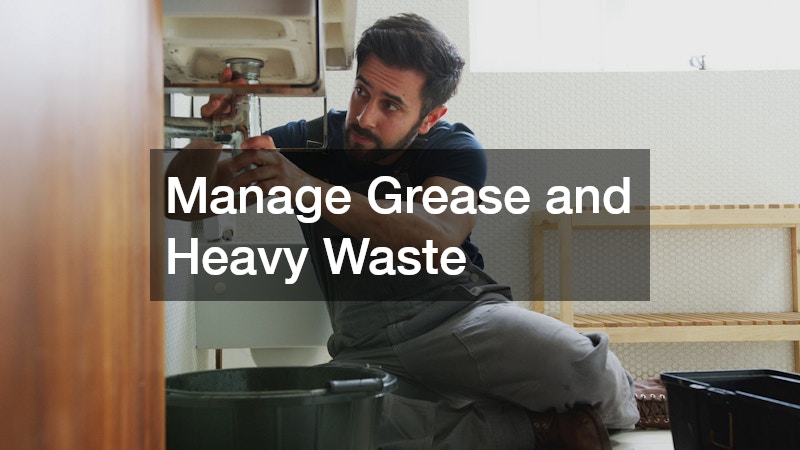
For homes equipped with large, commercial-grade kitchens, multiple cooking stations, or attached accessory dwelling units, standard drain lines can face extreme stress from culinary waste. FOG—which stands for fats, oils, and grease—presents a unique threat to home efficiency. When poured down a drain, grease may be liquid initially, but it quickly cools and solidifies inside your lateral lines, trapping other debris and forming dense blockages.
In properties that utilize specialized grease interceptors to protect their plumbing, neglecting regular maintenance can cause serious system drag. Routine grease trap services are mandatory to pump out accumulated lipids before they escape into the primary sewer line. Keeping these traps clean prevents catastrophic plumbing line blockages, eliminates foul odors that can affect indoor air quality, and ensures that your home secondary waste infrastructure operates at peak performance without disrupting your daily life.
Creating a highly efficient home environment is a continuous process of proactive maintenance and targeted capital improvements. By looking at your property as an interconnected web of systems, you can easily identify where energy and resources are being lost. Starting with simple, high-visibility adjustments like optimizing window treatments and cleaning out appliance air pathways provides immediate relief to your monthly budget. From there, systematically addressing your structural insulation, upgrading core electrical distribution systems, and protecting your utility lines builds a permanent foundation of low-cost, high-performance home longevity. Investing the time and effort into these comprehensive upgrades transforms your home from an energy-wasting liability into a streamlined asset.