
Home improvements can make a house more comfortable, functional, attractive, and better suited to the people who live there. However, deciding which projects deserve attention can be challenging when there are so many possibilities. Some upgrades address immediate maintenance concerns, while others improve energy efficiency, outdoor living, storage, or long-term usability. The right projects depend on the home’s condition, the homeowner’s priorities, and how long they expect to remain in the property.
From exterior upgrades to essential systems and larger renovations, there are many ways to improve a home without treating every project as equally urgent. In this article, we explore several home improvements worth considering and how each can contribute to a more functional and enjoyable property.
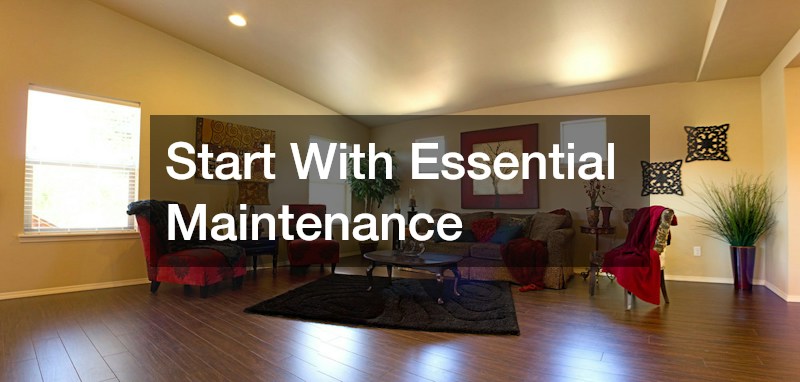
Start With Essential Maintenance
Before beginning a major renovation, homeowners should consider whether the property has maintenance issues that need attention. A beautiful new room will not solve a leaking roof, failing plumbing system, or inefficient heating and cooling equipment.
Start by walking through the home and looking for signs of deterioration. Check for water stains, damaged siding, deteriorating caulk, drafty windows, clogged gutters, plumbing leaks, and unusual sounds from mechanical equipment. Catching these problems early can help prevent relatively small issues from becoming more expensive repairs.
Heating and cooling equipment deserves particular attention because it affects both comfort and energy use throughout the year. An inspection from an experienced HVAC company can help identify problems with an aging system and determine whether maintenance, repairs, or replacement makes the most sense.
Plumbing is another area where preventive attention can pay off. Homeowners who notice persistent leaks, low water pressure, slow drains, or other recurring problems may want to contact an affordable plumber before a minor issue turns into significant water damage.
Improve The Home’s Exterior
The exterior is one of the first things people notice, but it also protects the structure from weather. Improving the outside of a property can therefore provide both aesthetic and practical benefits.
Landscaping is one place to start. New plants, defined garden beds, trees, walkways, and outdoor lighting can make the property more inviting. Homeowners can also consider creating outdoor areas designed for specific activities, such as dining, entertaining, gardening, or relaxing.
Fencing can provide privacy, security, and a clearer definition between properties. When selecting materials and designs, consider the home’s architectural style, maintenance requirements, local regulations, and desired level of privacy. Experienced fence installers can help homeowners evaluate appropriate options for the property.
The driveway and other hardscaped areas may also deserve attention. Cracked or uneven surfaces can detract from the appearance of the property and potentially create tripping hazards. Repairing or replacing these surfaces can give the exterior a more finished appearance.
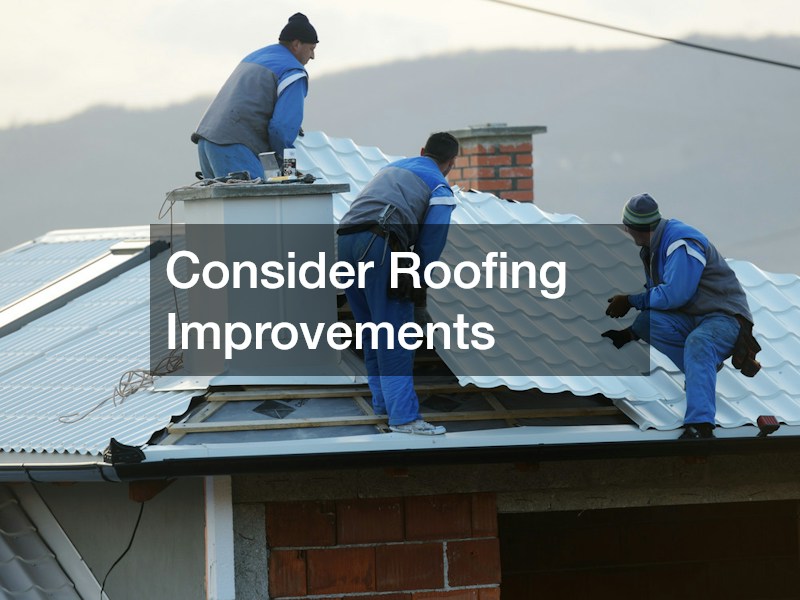
Consider Roofing Improvements
The roof plays a critical role in protecting virtually every other part of the house. Even when a roof does not appear damaged from the ground, there may be issues developing beneath the surface.
Homeowners should watch for missing or damaged shingles, sagging areas, water stains in the attic or upper levels, damaged flashing, and excessive granule loss. The appropriate response depends on the roof’s age and condition. Some roofs need localized repairs, while others may be approaching the end of their useful life.
A professional roofer can inspect the roof and explain whether maintenance, repairs, or replacement is appropriate. Addressing roofing problems promptly can also help protect insulation, ceilings, walls, and other parts of the home’s interior.
Roof improvements can extend beyond replacing shingles. Better ventilation, updated flashing, improved insulation, and properly installed underlayment may also contribute to a more durable roofing system.
Upgrade Windows And Doors
Windows and exterior doors influence natural light, comfort, appearance, and energy efficiency. Older units may allow unwanted heat transfer or drafts, particularly when seals have deteriorated.
Replacing outdated windows can change the appearance of a room while potentially making it easier to maintain a comfortable indoor temperature. Homeowners should consider window placement, glass type, frame materials, ventilation, and maintenance requirements when evaluating replacement options.
In areas vulnerable to severe storms, specialized products can provide additional considerations. For example, impact windows are designed to withstand significant forces and can be part of a broader strategy for protecting a home from extreme weather.
Exterior doors can also be upgraded for improved security, insulation, and curb appeal. Even relatively simple improvements, such as replacing worn weatherstripping or updating hardware, can make a noticeable difference.
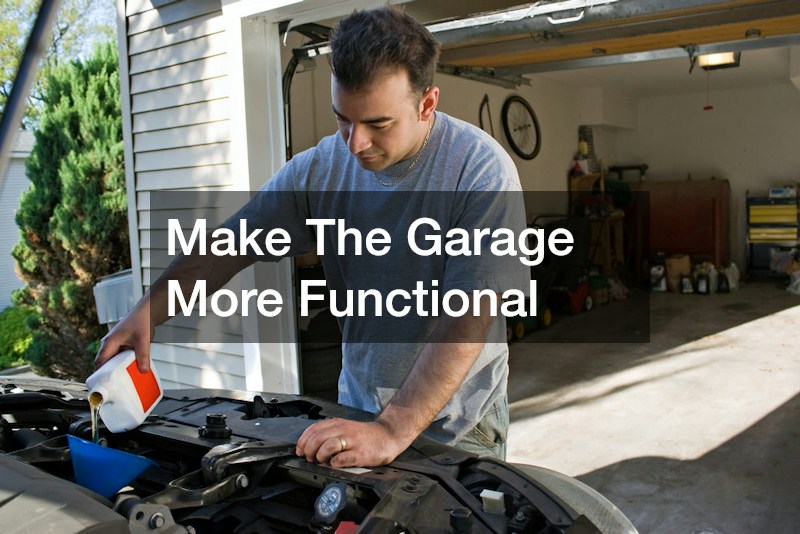
Make The Garage More Functional
Garages often serve purposes far beyond vehicle storage. They may function as workshops, home gyms, hobby spaces, storage areas, or entry points into the house.
One way to make a garage more practical is to improve its flooring. Concrete can become stained, dusty, cracked, or difficult to keep clean over time. Epoxy garage floor coating services can provide a finished surface that is designed for garage environments and can make the area easier to maintain.
Storage is another major consideration. Wall-mounted systems, cabinets, overhead racks, and dedicated shelving can help keep frequently used equipment organized without consuming valuable floor space.
Lighting can also transform the garage. Brighter, strategically positioned fixtures can make it easier to work on projects, organize belongings, or use the space for hobbies.
Think About Water And Drainage
Water management is an important but sometimes overlooked component of home improvement. Rainwater needs to be directed away from the foundation, walls, landscaping, and other vulnerable areas.
Gutters and downspouts should be inspected regularly for sagging, leaks, blockages, and improper drainage. Homeowners replacing an outdated system may want to investigate seamless gutter installation, which can reduce the number of joints along the gutter system.
Downspouts should direct water sufficiently away from the home’s foundation. In some properties, grading, drainage channels, or other solutions may also be necessary to prevent water from collecting around the structure.
Homeowners with private wells have another water-related system to consider. Well pump maintenance can help identify developing problems and keep the equipment operating properly. Routine attention is particularly important because well systems can affect the home’s everyday water supply.
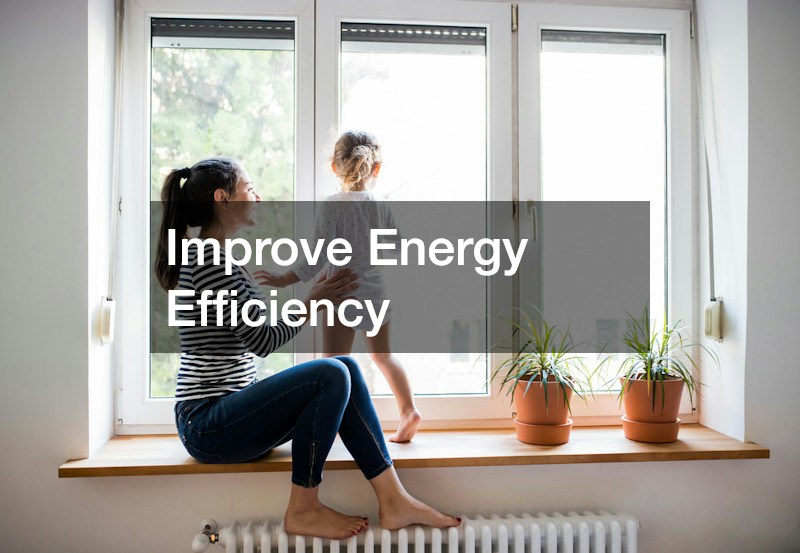
Improve Energy Efficiency
Energy-efficient improvements can make a home more comfortable while potentially reducing energy consumption. The best starting point is often identifying where energy is being lost.
Insulation and air sealing can help maintain more consistent indoor temperatures. Attic insulation is especially important because heat can move through the upper portion of a house when insulation is inadequate.
Lighting is another relatively accessible upgrade. Replacing older bulbs with efficient lighting options can reduce energy use and provide homeowners with more choices for brightness and color temperature.
Appliances may also be worth evaluating as they age. When replacement becomes necessary, homeowners can compare models based on energy use, capacity, features, and expected operating costs rather than focusing solely on the initial purchase price.
Smart thermostats and other home technology can provide additional control over heating, cooling, lighting, and other systems. However, technology works best when it complements sound maintenance and properly functioning equipment.
Create More Living Space
Sometimes the existing layout simply does not provide enough room for the way a household lives. Rather than moving, homeowners may decide to reconfigure existing rooms or create additional square footage.
Projects involving home additions can take many forms, including family rooms, bedrooms, offices, sunrooms, and expanded kitchens. Because additions affect the home’s structure, utilities, exterior appearance, and property footprint, they generally require careful planning.
Before starting a large expansion, consider how the new space will connect to the existing home. Think about traffic patterns, natural light, heating and cooling requirements, electrical needs, storage, and how the addition will look from both inside and outside.
Permits, zoning requirements, property setbacks, and neighborhood restrictions may also affect what can be built. Planning these details before construction begins can reduce surprises later.
Reconsider The Kitchen
The kitchen is one of the most heavily used areas of many homes, making it a logical place to consider improvements. However, a kitchen renovation does not necessarily require replacing everything.
Cabinet hardware, lighting, faucets, backsplashes, countertops, and paint can change the appearance of the room without completely rebuilding it. For kitchens with more significant functional problems, homeowners may consider changing the layout, adding storage, improving counter space, or replacing outdated appliances.
Storage deserves special attention. Deep drawers, pull-out shelves, pantry organizers, and vertical storage can make it easier to keep everyday items accessible.
Lighting can also make a kitchen more useful. Combining general illumination with task lighting over counters and work areas can improve visibility while creating a more inviting environment.
Refresh Bathrooms
Bathrooms are another area where relatively targeted improvements can make a meaningful difference. Replacing outdated fixtures, improving lighting, updating storage, or refreshing tile can give the space a newer appearance.
Function should remain a priority. Consider whether the current shower, tub, vanity, toilet, and storage arrangements actually work for the people using the room. A renovation can be an opportunity to address awkward layouts or insufficient storage.
Water efficiency is worth considering as well. Modern fixtures may use less water while maintaining useful performance, which can be beneficial for households looking to reduce consumption.
Ventilation should not be overlooked. Adequate bathroom ventilation helps manage moisture and can contribute to a healthier, more durable space.
Plan For Changing Needs
A good home improvement plan considers not only today’s needs but also how the property may need to function in the future. Households change over time, and spaces that work well now may eventually need to serve different purposes.
Flexible rooms can provide useful options. An office might eventually become a guest room, while a playroom could later become a study or hobby area. Wider pathways, improved lighting, accessible bathroom features, and first-floor living options can also make a home more adaptable.
Storage is another long-term consideration. As households accumulate belongings, inadequate storage can quickly become a source of clutter. Built-in cabinets, closets, attic storage, and garage organization can help maximize the space already available.
Prepare For Major Life Changes
Home improvement planning can also intersect with larger household transitions. A renovation may be especially worthwhile when homeowners expect to remain in the property for many years, while other circumstances may make a different strategy more practical.
For people preparing to relocate, it is useful to consider the condition and functionality of the home before putting it on the market. Repairs and improvements may help address obvious maintenance concerns, although not every project will be appropriate before a sale.
When a household is preparing for a significant move, long distance moving companies can become part of the broader planning process. Moving considerations may influence whether homeowners invest in major improvements or focus on smaller maintenance projects instead.
The important point is to align improvements with actual circumstances rather than assuming every possible upgrade is necessary.
Create A Practical Improvement Plan
With so many potential projects, prioritization is essential. Homeowners can begin by separating improvements into three broad categories: urgent repairs, functional upgrades, and optional aesthetic projects.
Urgent repairs should generally receive attention first because unresolved structural, roofing, plumbing, electrical, or water-related problems can become more expensive over time.
Next, consider projects that improve everyday functionality. Better storage, improved lighting, more efficient systems, and practical layout changes can affect how comfortable and convenient the home feels.
Finally, homeowners can address cosmetic preferences. Paint, decorative finishes, landscaping, and other aesthetic projects can make the property feel more personalized once essential needs have been handled.
Budgeting should account for both expected project costs and potential unexpected expenses. Getting multiple estimates for substantial work can help homeowners understand the scope of a project before committing to it.
The most worthwhile home improvements are not necessarily the largest or most expensive projects. They are the ones that address genuine needs, improve everyday living, protect the property, or make the space better suited to the household’s future.
Whether the priority is maintaining essential systems, improving the exterior, creating more usable space, upgrading energy efficiency, or refreshing heavily used rooms, thoughtful planning can help homeowners invest their time and money wisely. By evaluating the home’s current condition and considering both immediate and long-term needs, you can create an improvement plan that makes your property more comfortable, functional, and enjoyable for years to come.